
3 mm or 4 mm? Choosing Oak Lamella Thickness
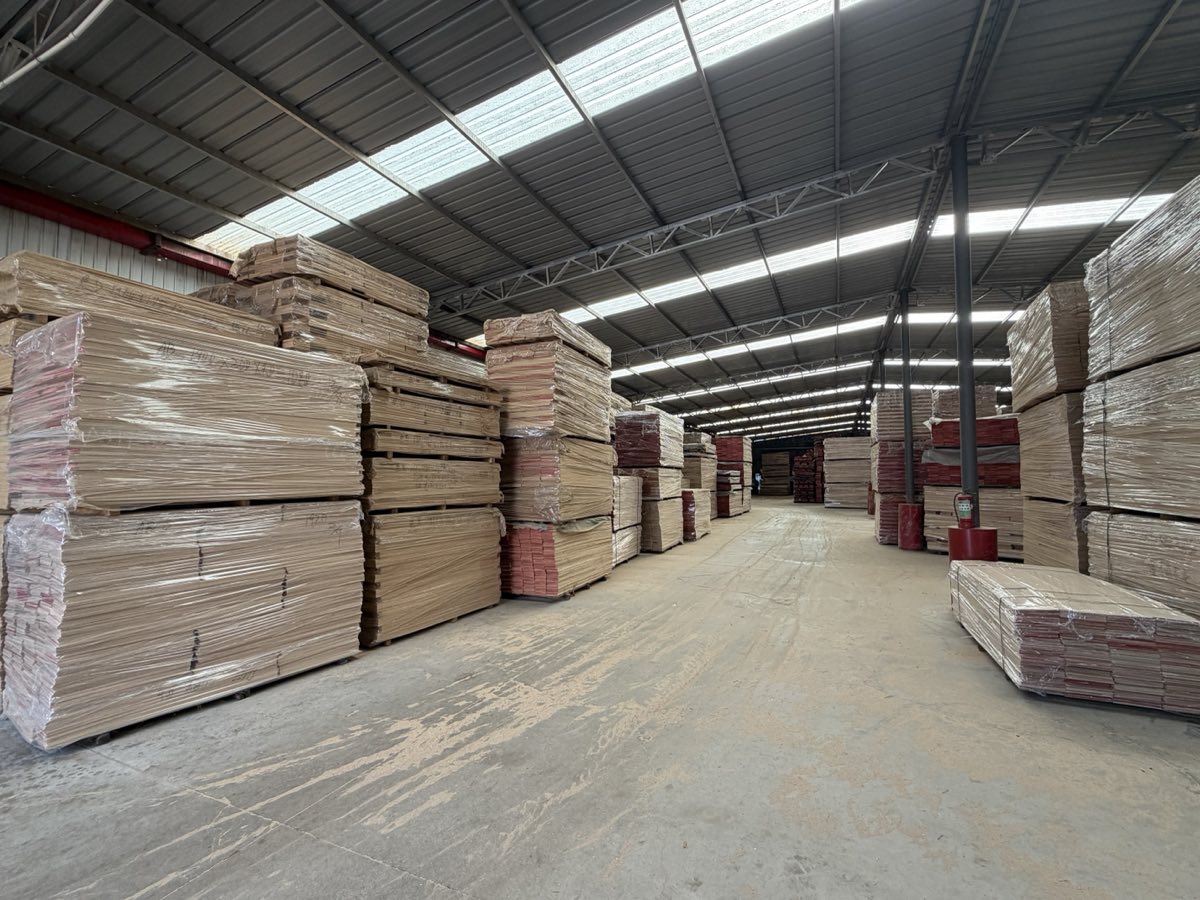
The question we get most often: 3 mm or 4 mm? There is no single right answer — it depends who your floor is sold to.
Refinishing
A sanding pass removes roughly 0.3–0.5 mm, and you must leave a safety margin above the tongue. The rough industry expectation is:
- 2 mm: designed not to be sanded; maintained through the finish;
- 3 mm: 2–3 refinishing cycles, which covers most residential use;
- 4 mm: 3–4 cycles, for premium residential, long-hold property and some commercial work.
Actual cycles also depend on tongue depth, build-up and the quality of the sanding work. Treat the figures above as the usual industry shorthand, not a guarantee.
Wide planks need thickness
The wider the plank, the more it moves with moisture change, and the more the top layer has to hold. 3.0 mm is generally fine at 190 mm wide; at 220 mm and 260 mm, 4.0 mm is the safer pairing — which is why both our 2200 × 220 and 2200 × 260 are made at 4.0 mm.
Underfloor heating
Heated floors constrain total build-up and thermal resistance, so lamella thickness has to be decided together with the core, not on its own. Send us your total build-up and we will work through it with you.
Cost
Going from 3.0 to 4.0 mm uses about a third more raw material in the top layer, but spread across the finished floor price the increase is usually far smaller. If your range is sold on "refinishable, long life", 4 mm is what makes that claim stand up. If you are competing on volume and price, 3 mm fits better.
Our stock thicknesses
- 1900 × 190 × 3.0 mm
- 2200 × 220 × 4.0 mm
- 2200 × 260 × 4.0 mm
Other thicknesses are made to order, held to ±0.3 mm. Contact us at +86 159 4630 8288.