
Timber Knowledge
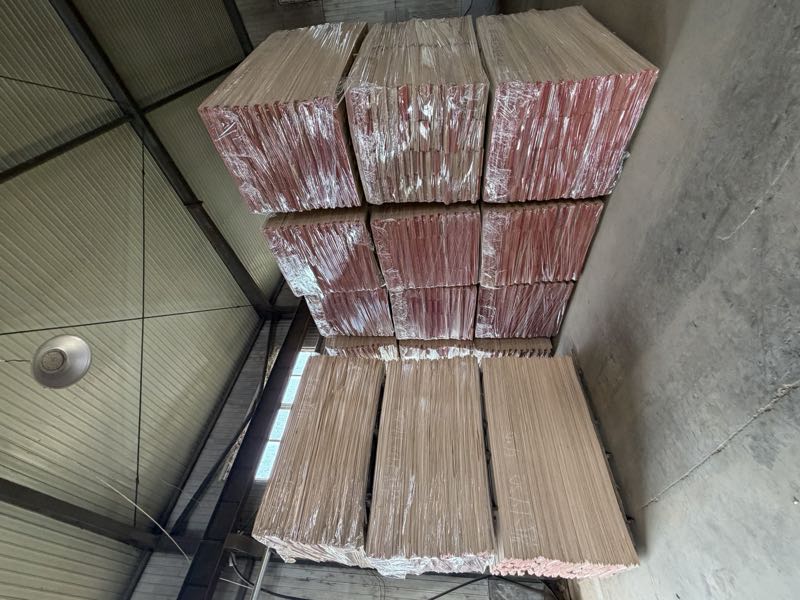
TOPWhy lamella moisture is held at 8%–12%
Too wet and glued panels crack; too dry and they take up moisture and cup. 8%–12% suits indoor furniture parts.
TOPRed oak or white oak — what actually differs
Colour, grain, density, pore structure and shrinkage, with a practical selection guide.
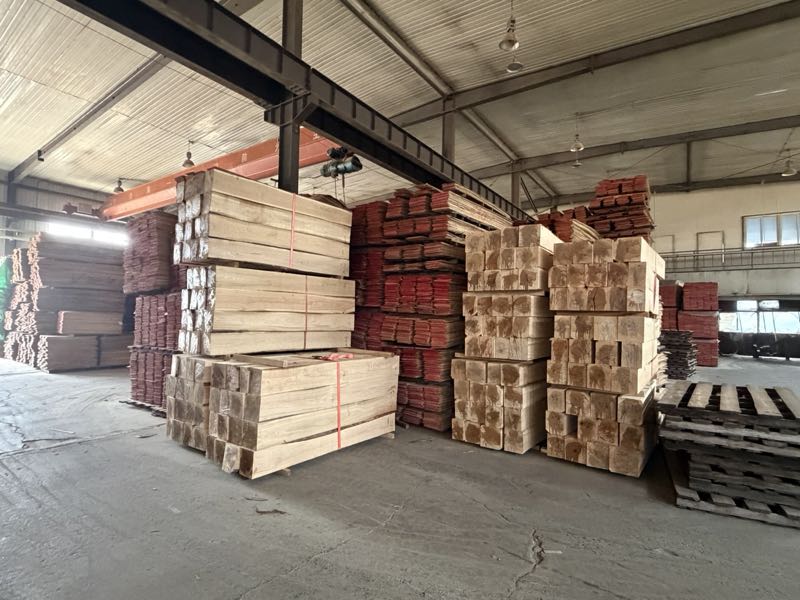
TOPReading timber grades: FAS, 1COM, 2COM and our A/AB/BC
A grade is really one thing — how much usable material a board yields. Once that is clear, price lists make sense.
TOPWhat end sealing actually does
End grain loses moisture many times faster than face grain; sealing keeps end checks within an acceptable range.
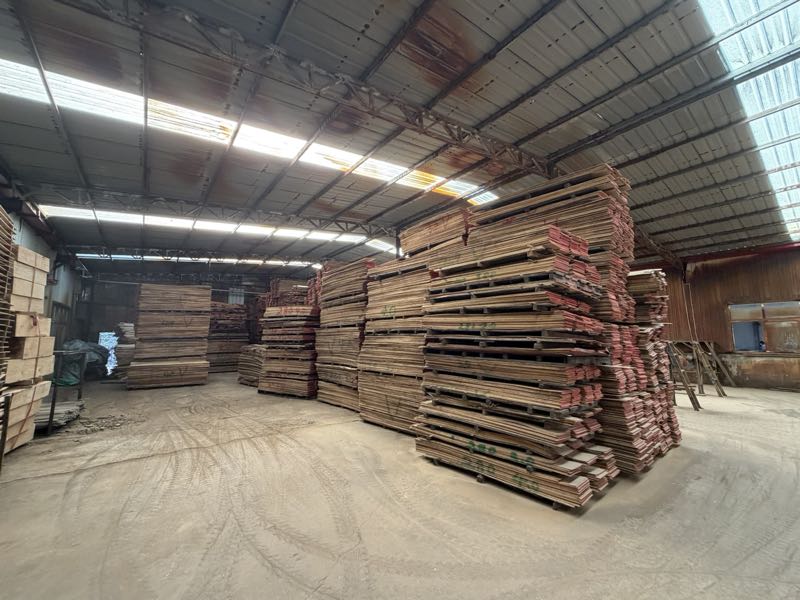
Fibre saturation point: why wood moves
Wood only starts shrinking below about 30% moisture. That line explains checking and warping.
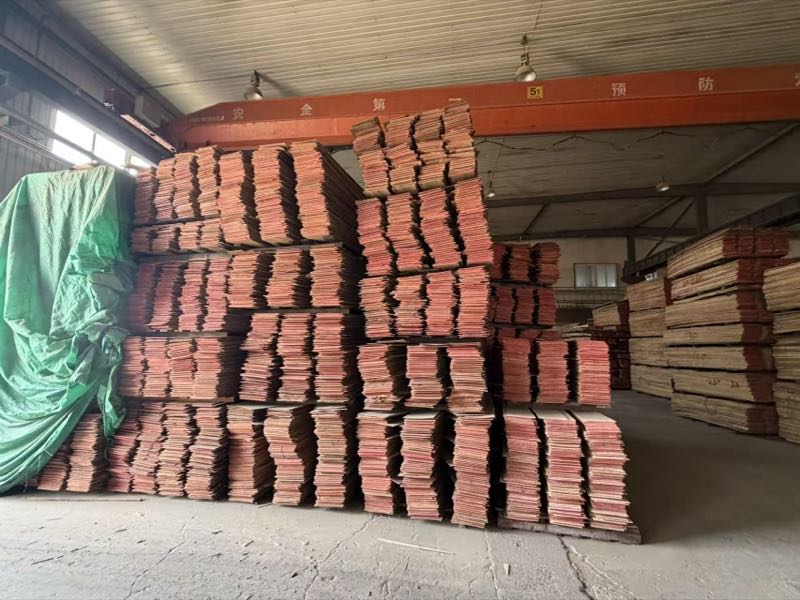
Tangential, radial, longitudinal — why shrinkage differs by direction
Tangential shrinkage is roughly twice radial; longitudinal is negligible. That explains most of the distortion you see.
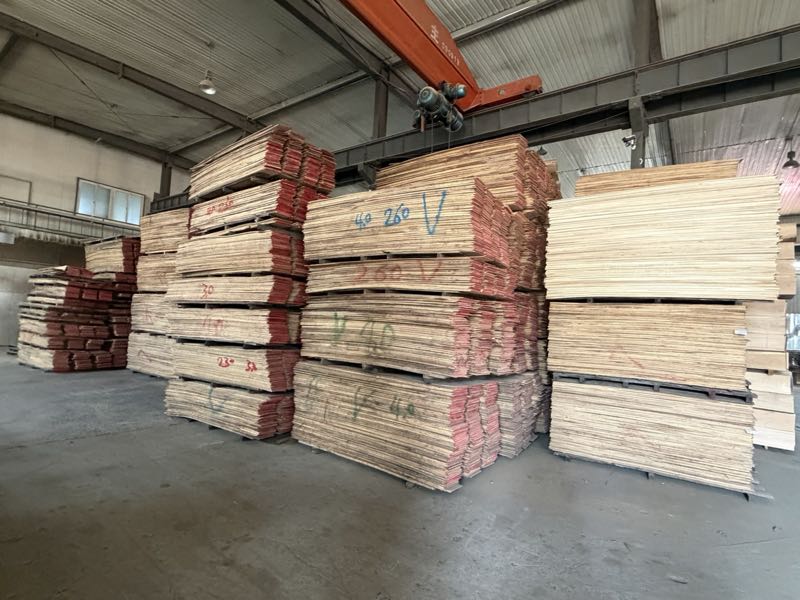
Surface checks: where they come from and whether the board is still usable
Most checks come from heating too fast early in drying. The test is whether the board still makes finished thickness after sanding.
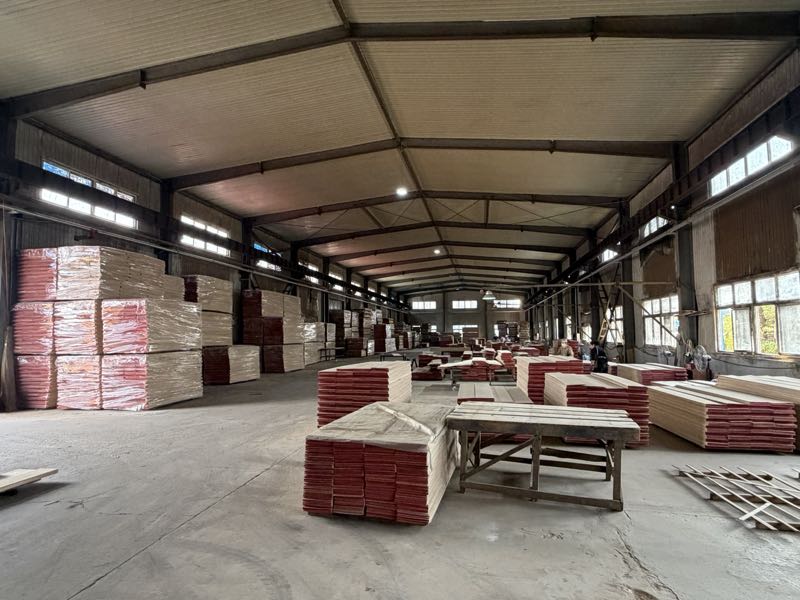
What a 0.3 mm thickness tolerance actually means for panel glue-up
One strip 0.5 mm proud forces the whole panel to be sanded down to the thinnest strip.